
Research
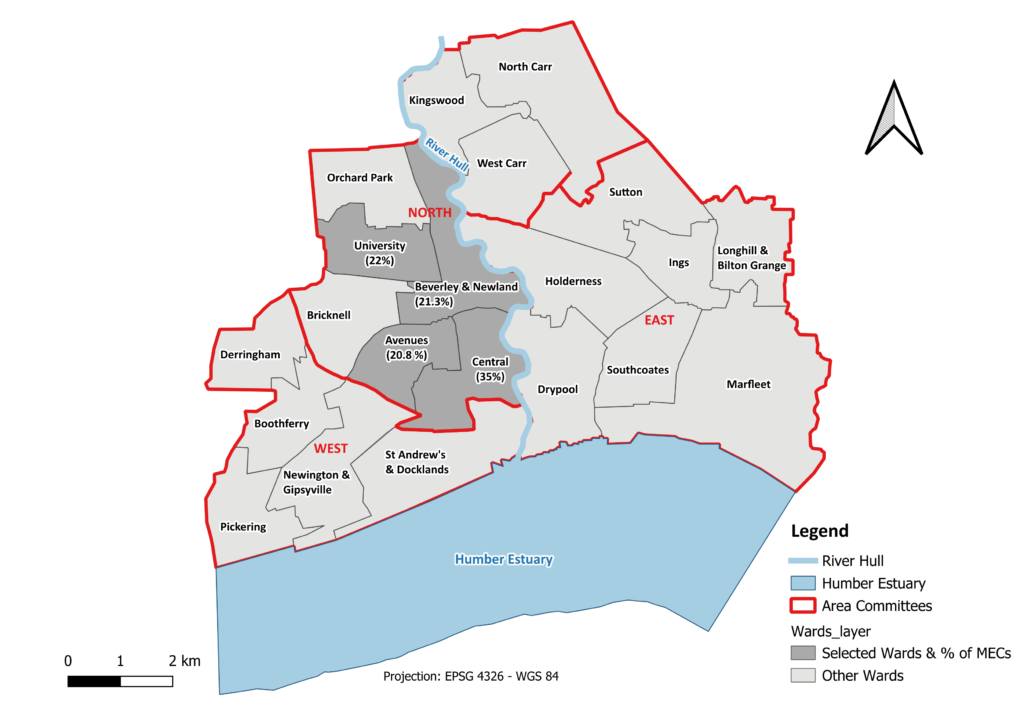
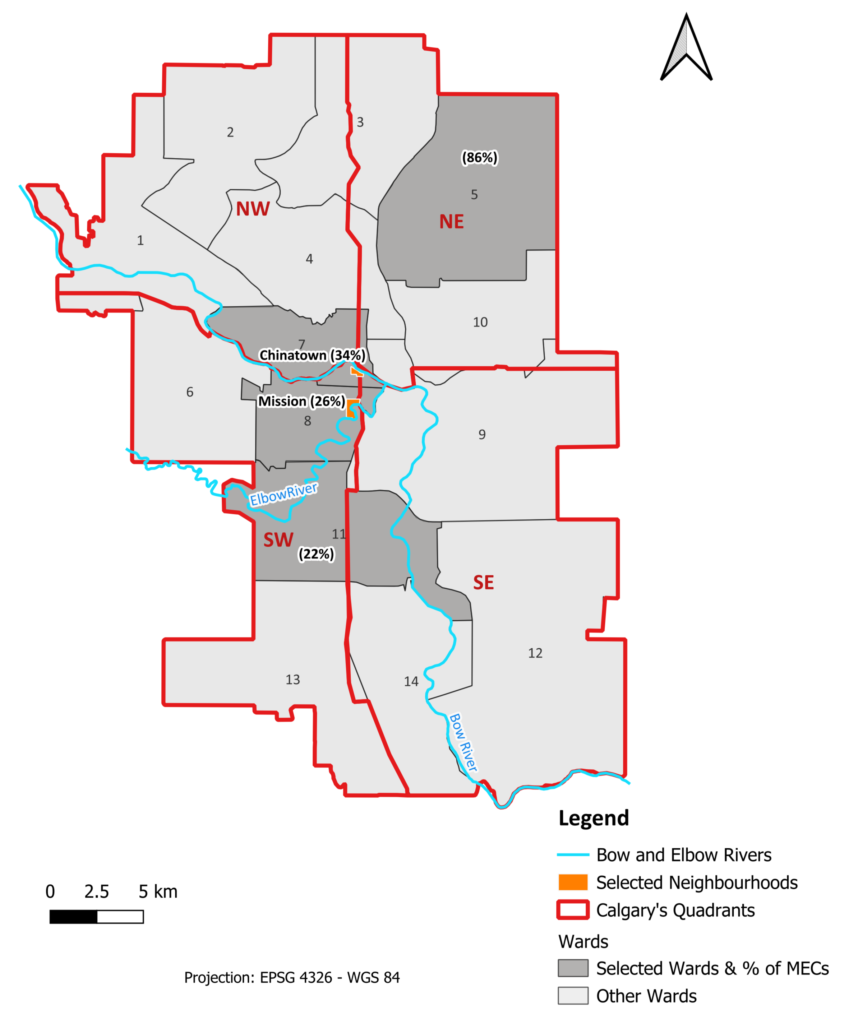
My doctoral research examined how urban flood resilience and flood-related injustices are culturally produced through the interaction of governance practices, policy frameworks, and the lived experiences of minoritized ethnic communities. I worked across academic and applied contexts, with comparative research in the UK and Canada.
Urban Flood Resilience and Justice
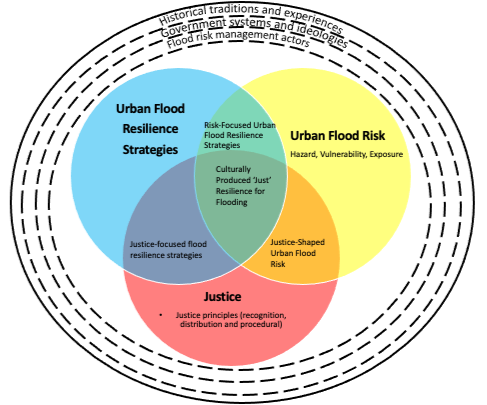
This strand of my work explored how flood risk management policies, planning decisions, and institutional practices shaped uneven exposure to flood risk and resilience outcomes. I focused on procedural, distributive, and recognitional dimensions of justice, particularly in urban contexts affected by long-term structural inequalities.
Policy relevance: supports more equitable flood risk governance and justice-informed resilience planning.
Participatory Methods and Serious Games
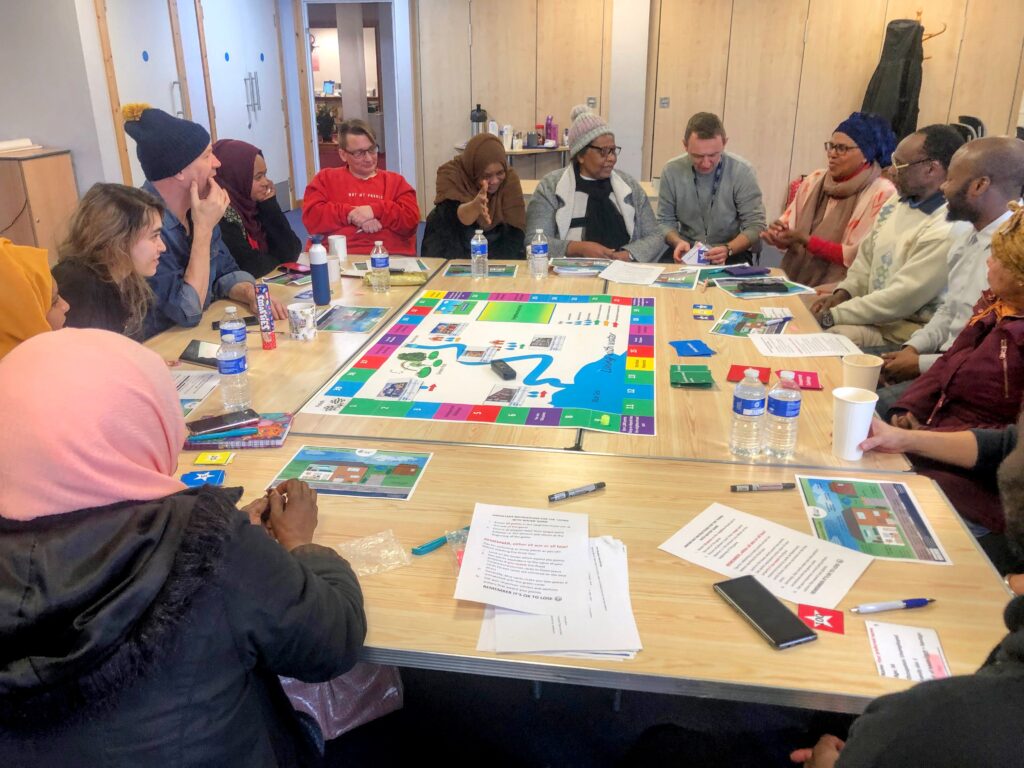
I use participatory and creative methods, including the co-development of a serious board game, to examine how communities understand, negotiate, and respond to flood risk. These approaches support shared sense-making, relationship-building, and critical reflection, translating abstract justice concepts into practical decision-making contexts.
Policy relevance: Demonstrates how participatory tools can improve risk communication, inclusion, and decision-making in flood governance.

Governance, Policy, and Lived Experience
This work examines how governance structures, institutional logics, and policy narratives intersect with everyday practices and lived experience. I pay particular attention to how technocratic approaches can marginalize culturally situated knowledge while shaping resilience outcomes.
Policy relevance: informs reflexive governance approaches that better recognize lived knowledge and cultural difference.
Methods
- Key informant interviews
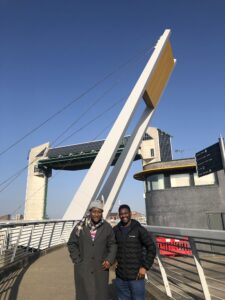
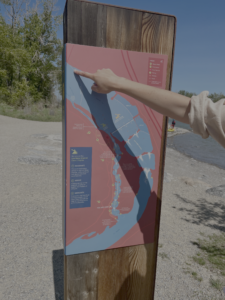
- Walking interviews
- Participatory research and co-production
- Serious games as analytic and engagement tools
- Policy and document analysis
- Surveys
Ethics and Safeguarding
I conduct all my research in line with high ethical and safeguarding standards, particularly when working with minoritized ethnic communities. This includes informed consent, culturally sensitive and trauma-aware engagement, safeguarding protocols, and ongoing reflexivity throughout the research process. I have obtained ethical approval for all community-based research conducted in Africa, the UK and Canada.
For related outputs, see my Publications page or selected Policy & Practice work.