
Flood Resilience in Hull and Calgary: Lessons from Practice
Welcome! In this post, I reflect on my experience working on urban flood resilience during an industry placement with the Living with Water Partnership (LwW) in England and the City of Calgary Administration (CoC) in Canada. The placement took place during the second year of my PhD as part of the Leverhulme Centre for Water Cultures Research Training Programme at the University of Hull. Working closely with both organisations provided a valuable opportunity to explore how local authorities approach flood resilience in practice while connecting academic research with real-world policy and planning.
My research focused on how local authorities in Hull and Calgary manage urban flood risk, so this experience gave me a chance to see those systems from the inside. Beyond deepening my understanding of how flood risk is governed in both cities, the placement also helped me develop practical skills and new ways of thinking that continue to shape my work today.
First impressions: Setting sail with the LwW team, UK
At the start of my four-week full-time online industry placement in October-November 2022, I felt comfortable because I knew the assigned mentors. I had previously engaged with them in other university-organised forums related to flood risk management (FRM). LwW proved to be the relevant organisation to undertake a placement because it manages flood risk in Hull. The LwW partnership is between five organisations (Yorkshire Water, Hull City Council, East Riding of Yorkshire Council, the Environment Agency and the University of Hull). Since my objective was to understand the culture behind flood risk management in Hull, the partnership was a unique organisation which connected all the desired organisations.
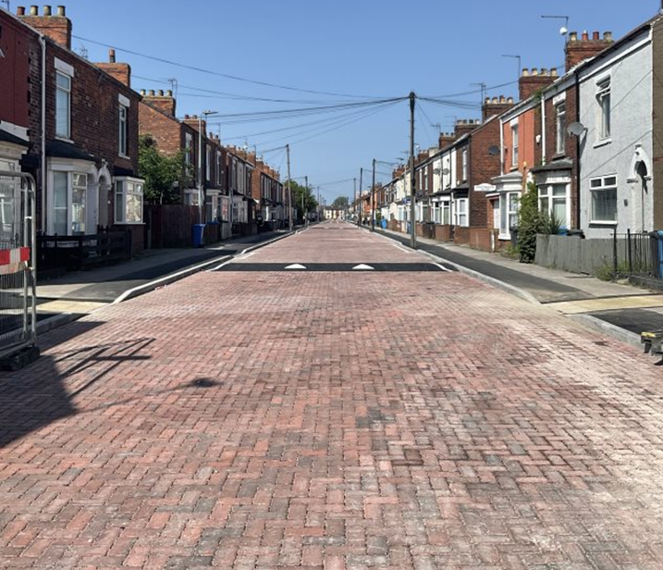
Although the placement was primarily remote, I had regular contact with my three mentors. We met periodically on Microsoft Teams to discuss progress, refine objectives, and reflect on emerging findings, while more routine updates and document feedback were handled by email. This combination of scheduled conversations and ongoing written communication gave me both structure and flexibility in my work. In addition to online engagement, I conducted field visits to key flood management sites, including the Rosmead Street permeable paving project, which helped ground my learning in the physical and social realities of flood risk management in Hull.
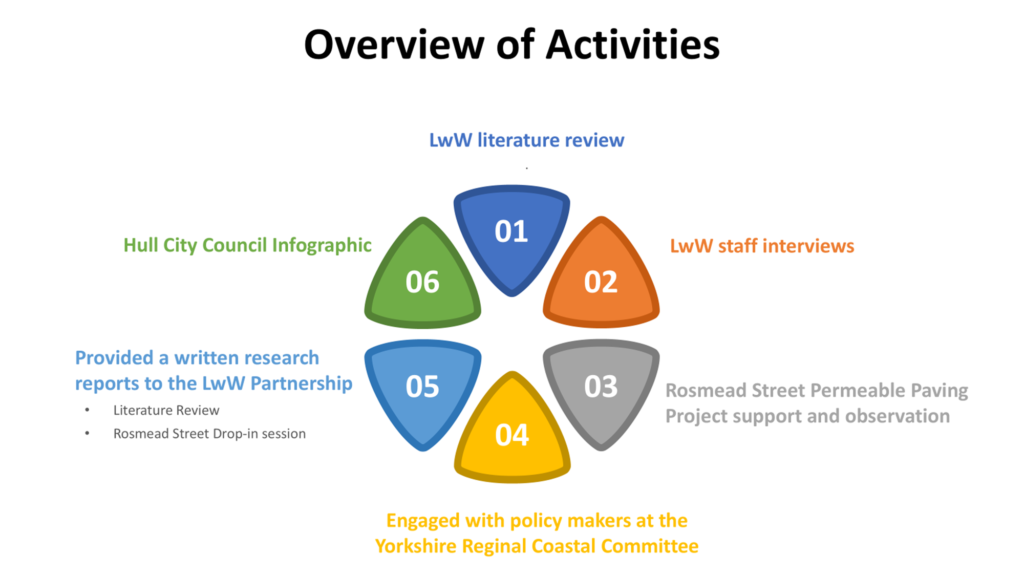
At first, I was concerned that working online might feel isolating, which would contrast with my participatory research approach. However, my mentors were intentional about staying engaged and ensuring I remained connected to the team’s work. Their support helped shape the three main activities I carried out during the placement, ensuring they met both organisational priorities and my research goals. I outline these activities below.
Activity 1: Living with Water Literature Review
The aims of the literature review were to:
- Identify past demographics engaged and missed in Hull from the five provided data sources
- Assess progress towards Aim 3 of the Local Flood Risk Management Strategy 2022-2028 (LFRMS). This aim is about helping people share knowledge and learn from one another, so that communities and organisations are better prepared for flooding.
The data was in different formats, making it challenging to analyse. I agreed with one of my mentors on areas of interest and produced a template to address the challenge. The objective was to explore how LwW could communicate better with minoritised ethnic communities (MECs) in Hull. The four-week activity allowed me to engage with LwW projects and policies. The derived report and an infographic from the analysis would help LwW communicate more effectively with MECs in Hull and provide ideas for engaging these communities.
When giving suggestions linked to social media, I acknowledged that digital media excludes those who cannot access the platforms because they do not know they exist, cannot use them, or lack the required digital resources. Therefore, I recommended diversifying communication channels, including social media, according to the audience’s needs. The exercise taught me the importance of communicating effectively, both in writing and through visual presentation, through report writing. I also obtained critical thinking skills by answering tricky questions and supporting my reasoning with proof.
Activity 2: Yorkshire Regional Flood and Coastal Committee (YRFCC) meeting
I attended the one-day Yorkshire Regional Flood and Coastal Committee (YRFCC) meeting as an observer (allowed only to watch and listen to the proceedings). Established under the Flood and Water Management Act 2010 by the Environment Agency, YRFCC assembles members appointed by Lead Local Flood Authorities (LLFAs) and experienced independent members. The members aim to develop regional understanding and plans for flood and coastal erosion risk. YRFCC was an eye-opener on several issues, especially regional collaboration, decision-making and distribution of economic resources. Observing the process was an extraordinary experience that influenced how I perceive governance issues in flood risk management (FRM) within the region. The meeting allowed me to network with policymakers like the YRFCC chairman, with whom I later had a follow-up meeting.
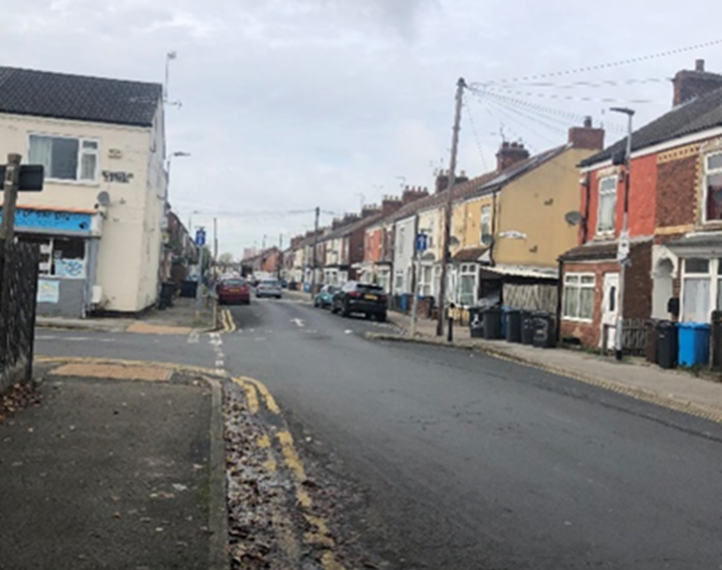
Activity 3: Rosmead Street Visit
I visited Rosmead Street twice to witness how LwW was conducting community engagement for a permeable paving project in the street. The first visit was to obtain a sense of place and get first-hand experience of the area. The second was during a drop-in session at St John’s Rosmead Street Church, where residents asked about the impending road closure, paving works, and the setup of temporary car parks. According to LwW, the project was a collaborative effort by Hull City Council, which wanted to repair house frontages and Yorkshire Water, which wanted to address drainage challenges. The project presented a convenient opportunity for the partners to work together to tackle flood risk in this area while recognising other benefits. The coordination between partners to tackle multiple issues simultaneously through a multisectoral approach demonstrated the potential of partnerships in decision-making and action.
First Impressions with the City of Calgary (CoC) Administration
After a year of pitching my research, I landed an industry experience opportunity to work with the City of Calgary Administration between March and May 2023. Unlike in Hull, I worked part-time and in-person. The agreed purpose of my placement was threefold:
- Identify particular historical and contemporary culture or value systems that have impacted the development and implementation of Calgary’s river flood resilience program from 2013 to today
- Discuss insights from current river flood-related citizen engagement sessions and research on potential injustices in the municipality’s flood resilience work
- Share preliminary suggestions on how CoC could incorporate justice considerations into urban flood resilience initiatives in the future.
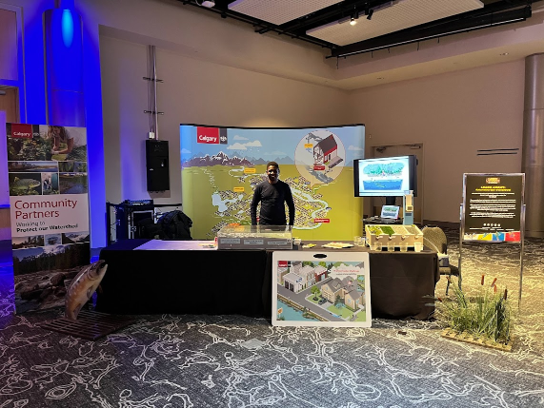
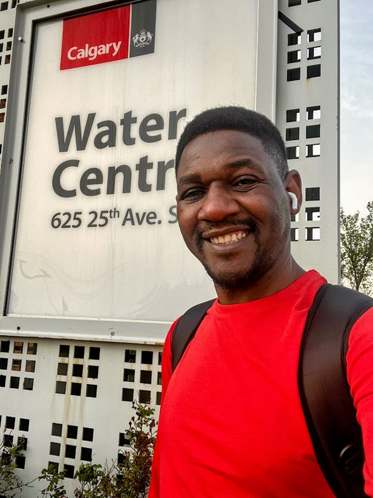
Similar to Hull, I had three supportive mentors. Working with the administration was a rare opportunity since they did not have such roles. Being so far away in a place I had never visited felt surreal. My passionate mentors made the transition smooth by providing me with a suitable working space and office equipment.
At the Water Centre, the main office, I was introduced to the different teams working on water issues from various perspectives, such as the River Engineering, Storm Water, and Calgary River Valleys Project teams. I felt a bit unsettled being on a team of engineers. However, coming from an interdisciplinary institute composed primarily of colleagues from the hard sciences, I quickly adjusted to the environment. Moreover, we were all bound by the same passion for ensuring community flood resilience in Calgary, a task requiring multidisciplinary perspectives. Since I had extended contact time with the CoC Administration, I conducted several activities, as described below.
Activity 1: Literature review
My first activity was to review the local authority’s literature on flood risk management. Primary documents included the Flood Resiliency Plan, Flood Mitigation Measures Assessment (FMMA) Report and the 1983 hazard maps and by-laws. Using the literature, I constructed and shared with colleagues a timeline of policy documents to understand the historical development of flood risk management events and policies in Calgary. The documents helped me to understand the city’s flood risk management culture.
Activity 2: FRM Meetings
I attended at least 15 internal FRM-related meetings, as listed below,
• 6 Flood Resilience Team Meetings
• 7 flood scrums
• 1 Planning and Development Town Hall
• 1 Quarterly Environment Division
• 1 Calgary River Valley Plan (CRVP) Super Tuesday Meeting
The meetings ensured ongoing communication, coordination, and collaboration among various teams and stakeholders involved in the city’s FRM efforts. They helped align efforts, share knowledge and resources, and adapt strategies to effectively mitigate flood risks and enhance the city’s resilience to flooding events.
Activity 3: Data collection with CoC staff
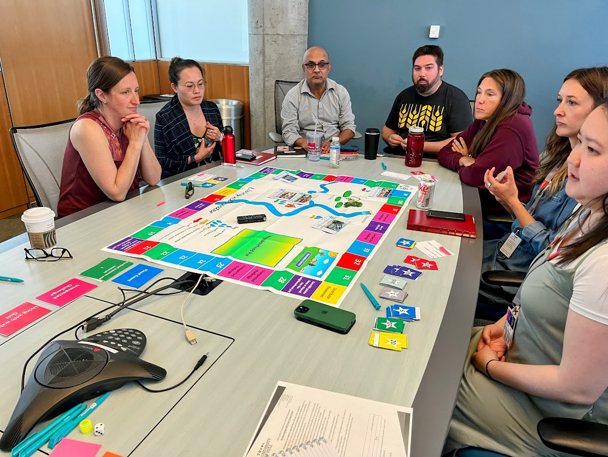
The industry experience enabled me to collect data for my research through interviews and serious gaming (a game with an objective more than mere entertainment). It was easy to schedule the interviews and game time with the staff as I was working with them.
Activity 4: Public Engagement Events
I observed and provided support at public engagement events related to river flooding, including those listed below.
- 4 CVRP Engagement meetings
- Bowness Flood Readiness presentation
- Walking Land Acknowledgement
- Indigenous Science Night
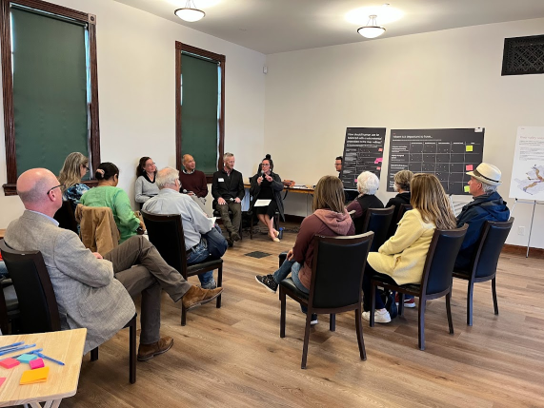
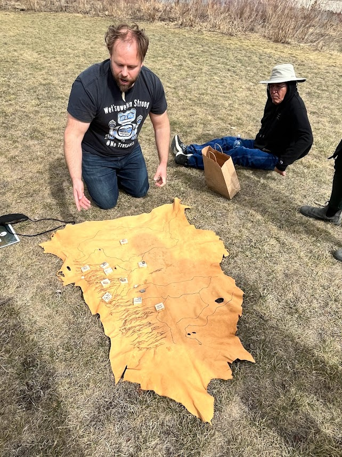
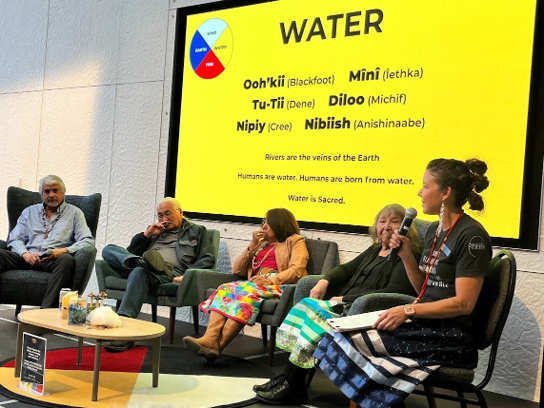
The activities contributed to a holistic approach to FRM by emphasising community involvement, education, and the integration of diverse knowledge systems. I observed the city’s proactive approach to involving citizens in planning and had the opportunity to chat with residents of flood-prone communities. This experience shook the theoretical foundations of my understanding, grounding me in the reality of the challenges such communities face.
Before this placement, much of my understanding of flood risk management was shaped by academic frameworks around resilience, participation, and governance. While those theories are valuable, being present at community engagement events exposed me to the emotional, cultural, and everyday dimensions of living with flood risk in ways that academic literature alone cannot capture.
Hearing residents speak about repeated disruption, insurance struggles, and the stress of uncertainty made risk feel less like an abstract concept and more like a lived, ongoing condition. Events such as Indigenous Science Night and the Walking Land Acknowledgement also challenged me to think more deeply about how flood management intersects with history, land relationships, and different ways of knowing. Such perspectives are often marginal in technical planning spaces.
Rather than replacing theory, these experiences reshaped how I understand it. They reminded me that concepts like “resilience” or “engagement” can mean very different things depending on people’s histories, identities, and daily realities. It pushed me to see theory not as a fixed lens, but as something that must stay responsive to lived experience.
Benefits of the industry experience
The industry experience presented mutual benefits for industry partners and me.
Benefits to industry partners
The benefits I provided to the organisations include:
- Innovative ideas for community engagement, for example, through the innovative and cutting-edge serious gaming experience
- Exploring available opportunities to influence flood resilience culture, for example, by analysing the organisations’ policies and practices
- Networking, for example, linking LWW with CoC
- Lesson sharing from practical & theoretical knowledge, for example, sharing lessons from Hull with CoC colleagues
The benefit of the industry experience on my PhD project and professional development
The industry experience influenced my PhD project in several ways, such as:
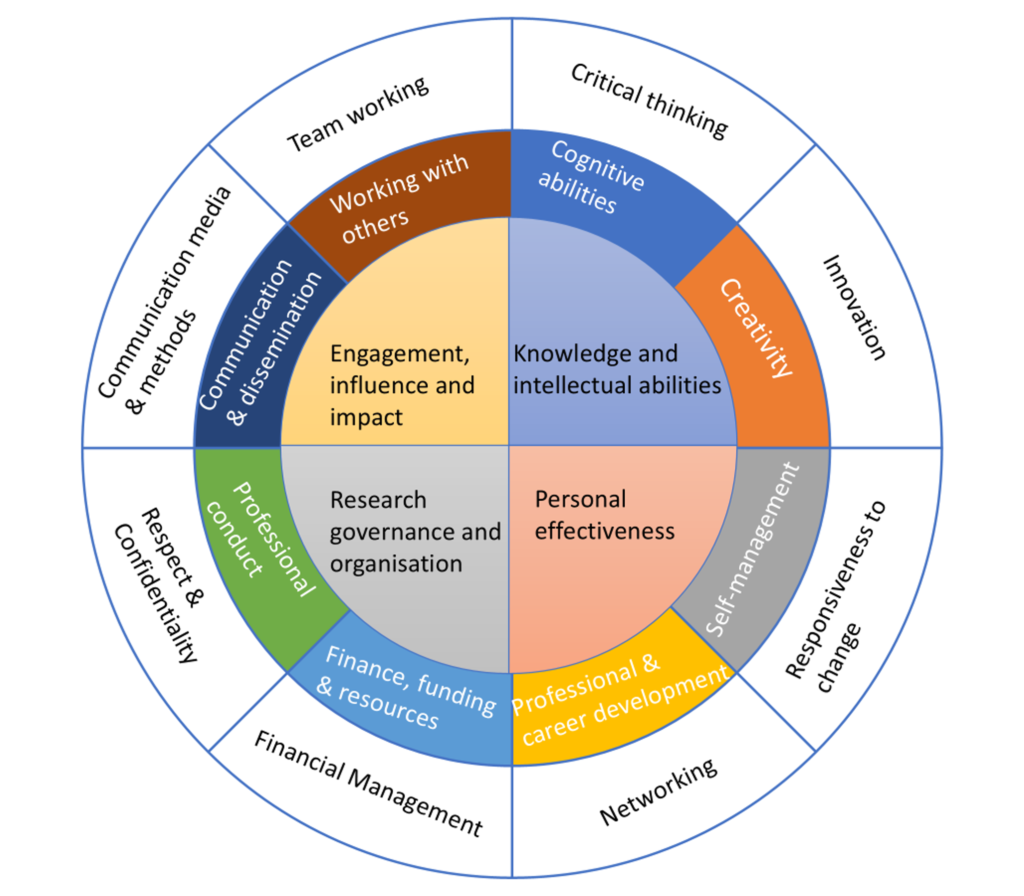
- Teamwork, for example, exposed me to interdisciplinary learning and perspectives
- Understanding communities as heterogeneous entities, including people’s ethnicities, cultures, languages, religions, and socioeconomic statuses. These different cultures contribute to a wide array of knowledges crucial in managing flood risk
- Public engagement, which exposed me to various ways of working and communicating with communities at risk of floods
- Responsiveness to change by promoting flexibility during fieldwork
What I would have done differently
First, I would have preferred an increased engagement with LWW through a part-time placement, as I did in Calgary. The extended involvement would have enabled me to participate in ongoing projects from inception to completion. Second, I would have preferred to complete project lifecycles for the reasons mentioned. For instance, my tenure encompassed the early stages of the Rosmead Street Project in Hull, which aimed to install permeable paving, and the initial phases of the CRVP Project in Calgary. I believe that being integrally involved in a project throughout its lifecycle presents extensive opportunities for learning, professional development, and meaningful contributions. Without time constraints, my ambition would have been to author a policy document, leveraging my research findings from my industry experience. This document would have distilled best practices and insights from both Hull and Calgary, effectively guiding policy decisions and mitigating potential challenges.

Final words and a massive thank you!
The industry experience was transformative. My main takeaway was that FRM is a tapestry woven with justice, community engagement, and engineering approaches. As I bade farewell to the enlightening experience, I carried with me not just knowledge but also a deep sense of responsibility to build a more resilient and inclusive future for all, where no community is left adrift in the face of floods. A big thank you to all my mentors (Rachel Glossop, Jessica Fox, and Lynnsey Pilmer from the Living with Water Partnership, and Sandy Davis, Megan van Ham and Helen Hu from CoC) and colleagues for the mutual exchange of knowledge and experiences, opportunities to learn while reflecting on ongoing work, and the support for honing my professional skills in diverse work environments.
This is such an amazing journey! Thanks for sharing it with us.